Threads of Motanka series
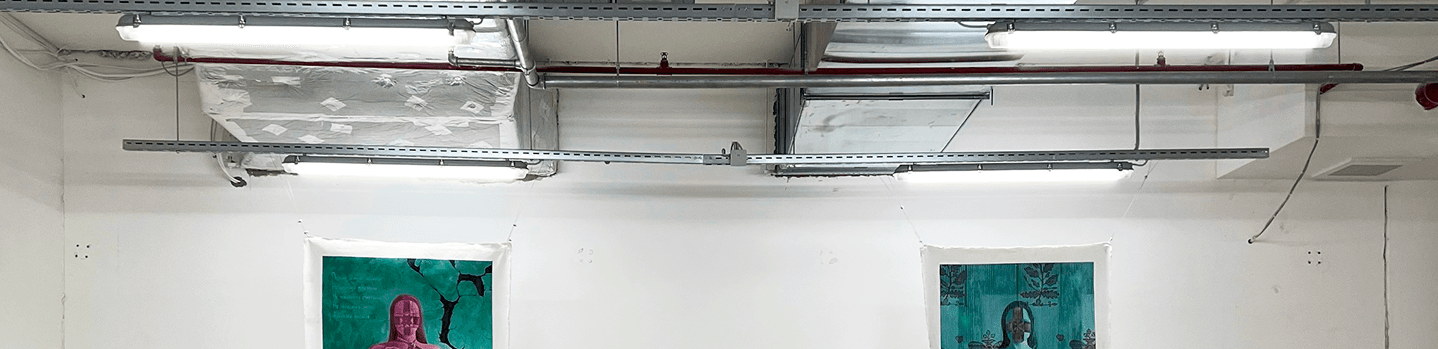
2025, Echoräume des Krieges. Danylo Movchan und zeitgenössische Positionen (group exhibition), Magistrale Kunsthalle, Frankfurt (Oder), Germany — photo by Olesia Tverdokhlib
Research context
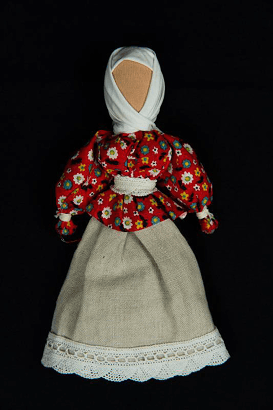
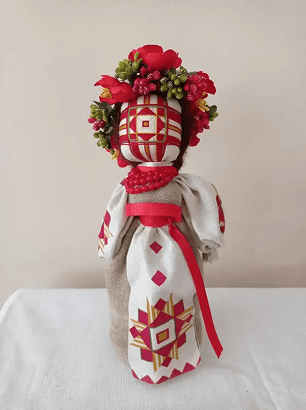
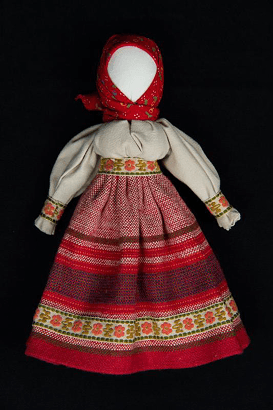
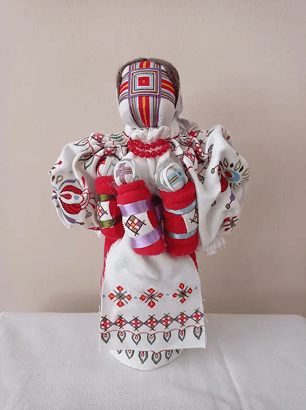
Motanka is a traditional Ukrainian handmade doll passed down through generations. Its most distinctive feature is the absence of a face—replaced by a woven sacred cross. This age-old craft carries deep archetypal meaning.
More than a toy, the motanka is a sacred figure symbolizing a woman, a mother, and a family guardian. With roots thousands of years old, it reflects the bond between ancestors and descendants. I use its facelessness as a metaphor for heredity: our identity forms through a collective experience that resurfaces when personal moments awaken echoes of the past.
Methodology
For this project, I interview women who are willing to share their traumatic experiences and personal reflections. Using these conversations as a foundation, I develop concepts for each painting, ensuring that every artwork conveys the individual struggles of each participant while also connecting to the broader narrative of collective experience.
Key message
Each painting highlights a specific aspect of these transgenerational traumatic experiences, serving as a lens through which we can embody and express what has been left unspoken. The figures are depicted without faces, resembling motanka dolls, to symbolize the loss of individuality when trauma remains unspoken, unprocessed, or unresolved. As long as this pain stays hidden, one remains faceless—only by confronting and reflecting on it can one begin to uncover their true self beneath the layers of silence, beneath the skeins of motanka.
Goal
The goal of this project is to foster a therapeutic dialogue within the Ukrainian community and beyond. Talking through the traumas that affect us across generations—while also referencing our personal experiences and present realities—creates an opportunity to reclaim our identity, break the cycle of inherited pain, and prevent its transmission to future generations. This series is not just a visual project but also an invitation to reflection, dialogue, and the integration of experience, leading to both individual and collective healing.
Motanka References